Used Heavy Equipment Inspection Checklist Before Buying
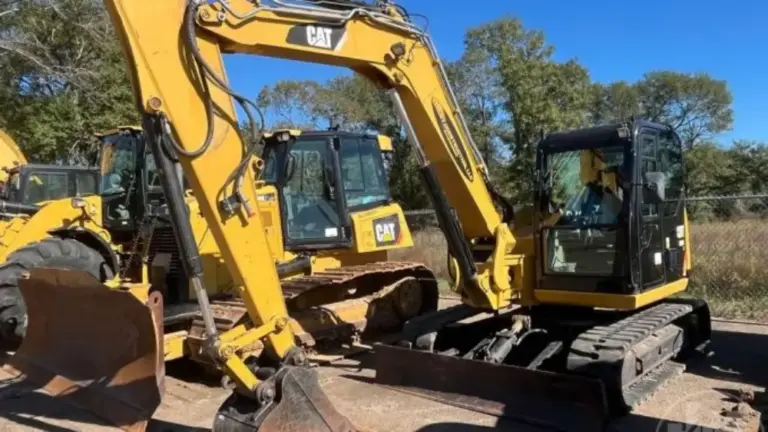
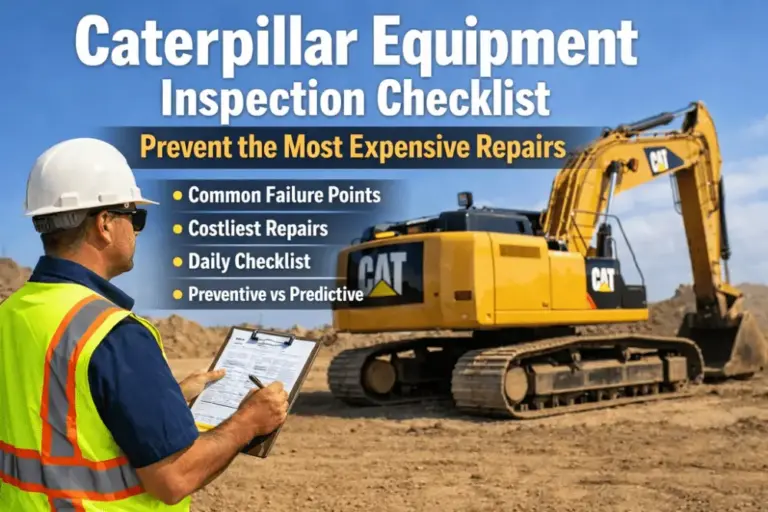
A proper inspection should cover documentation, service history, undercarriage, hydraulics, engine, transmission, attachments, electronics, wear points, and a real working test.
A proper inspection should cover documentation, service history, undercarriage, hydraulics, engine, transmission, attachments, electronics, wear points, and a real working test.
Ownership cost includes purchase price, financing, depreciation, fuel, maintenance, repairs, insurance, storage, transport, downtime, and eventual resale value.
Maintenance cost per hour should include preventive service, wear parts, fluids, filters, tires or tracks, inspections, minor repairs, technician time, and downtime risk.
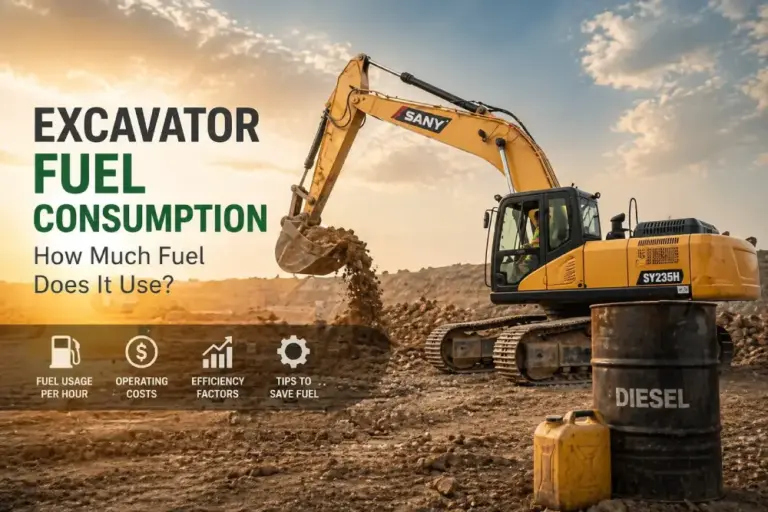
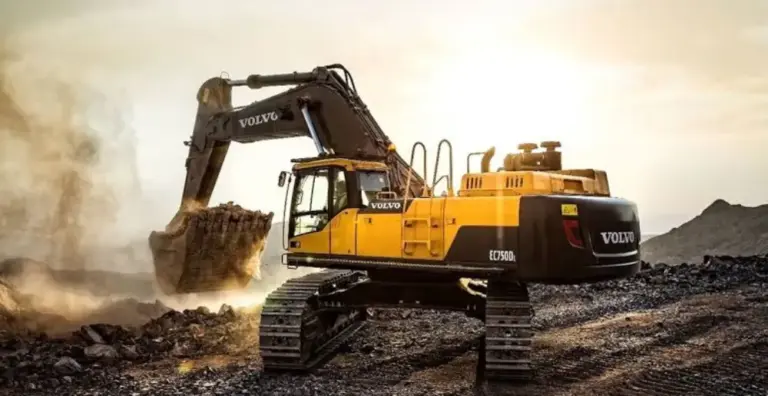
Fuel consumption depends on machine size, engine load, digging conditions, idle time, operator habits, maintenance condition, and attachment selection.
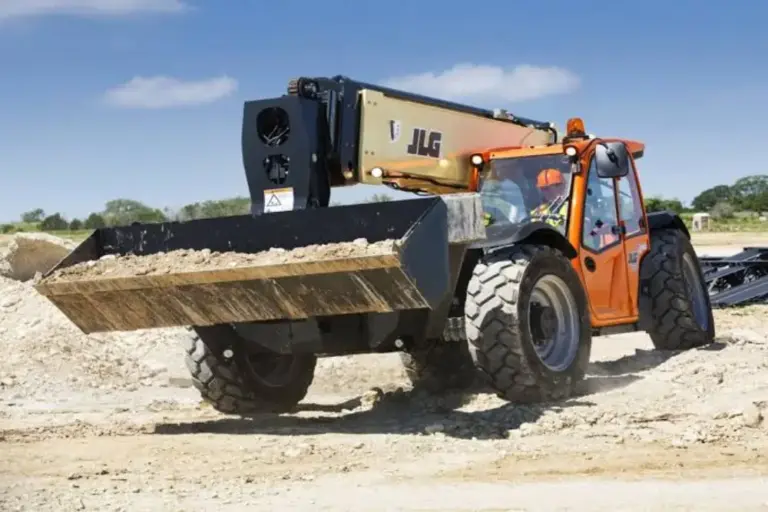
A good rental telehandler should match lift height, load capacity, reach, ground conditions, attachment needs, operator visibility, and site access limits.
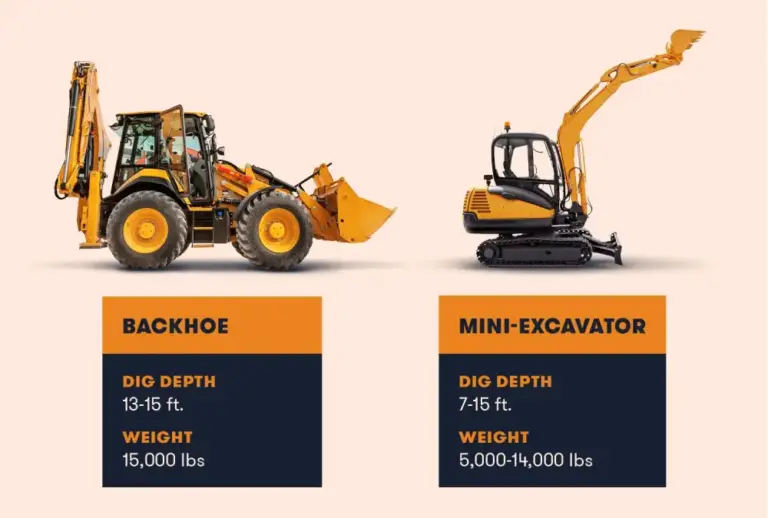
Mini excavators are often better for tight digging and lower ground disturbance, while backhoes can be stronger general-purpose machines when travel speed and loader work matter.
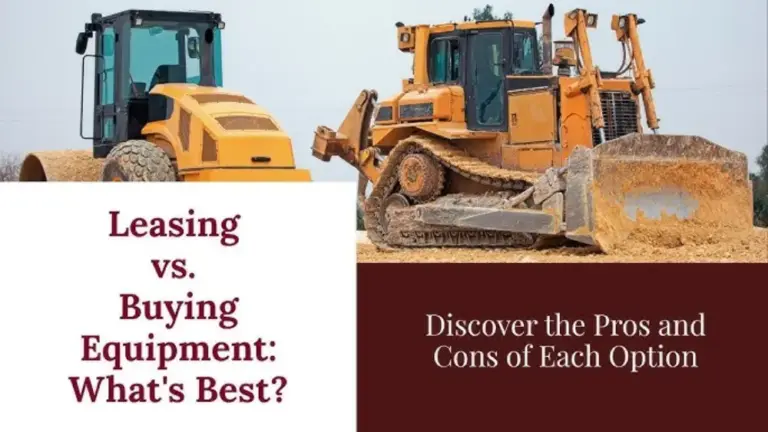
Leasing may preserve cash flow and refresh cycles, while financing can build ownership and resale value; the better option depends on taxes, utilization, upgrade plans, and contract terms.
Used equipment warranty coverage should be checked for covered components, claim limits, exclusions, maintenance requirements, transfer rules, deductible, and dealer support.
Auction buyers should research comparable prices, inspection limits, buyer premiums, transport, title documents, payment deadlines, and repair risk before bidding.
GPS tracking cost depends on device type, installation, subscription, reporting features, theft alerts, maintenance data, geofencing, and fleet size.